

The Problem
Industrial animal agriculture harms animals, people, and the planet. Mercy For Animals works to build a better food system.
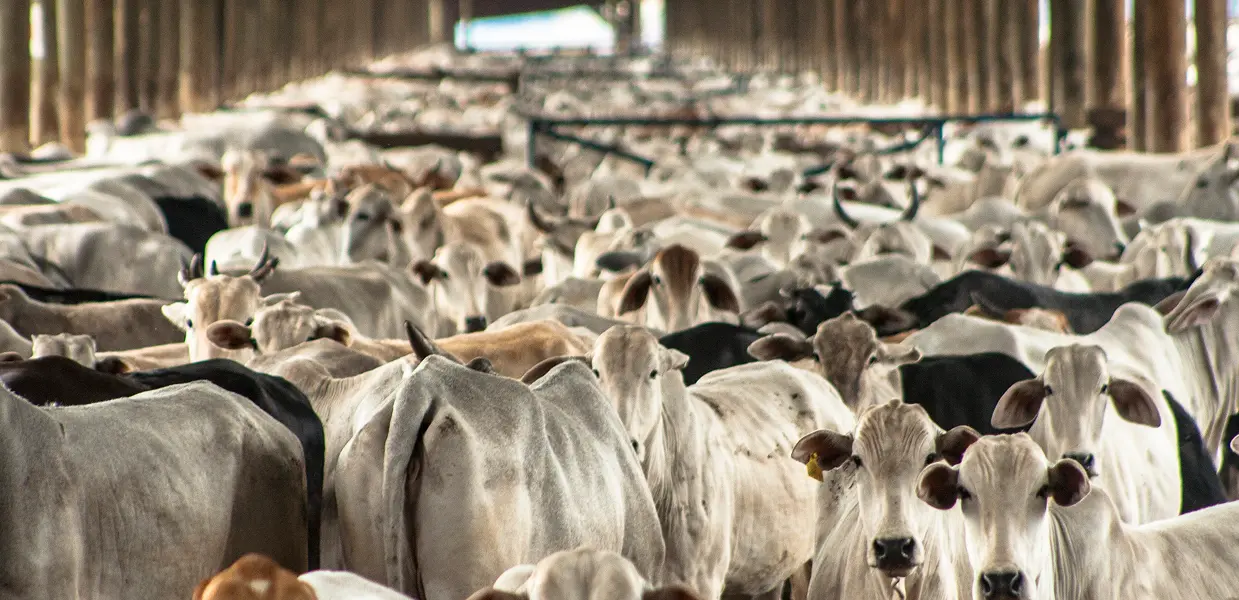
Behind the closed doors of factory farms, billions of animals endure unimaginable suffering to feed the global demand for cheap meat, dairy, and eggs. But the impact extends far beyond the animals factory farming abuses—it endangers human health and fuels environmental destruction.
As this industrial system continues to expand, the need for systemic change has never been more urgent.
Factory Farming: A System of Suffering
Confinement and Crowding
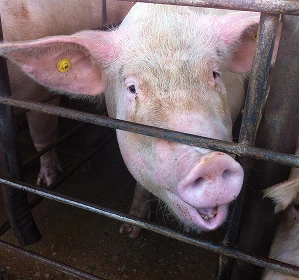
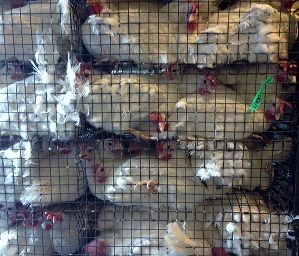
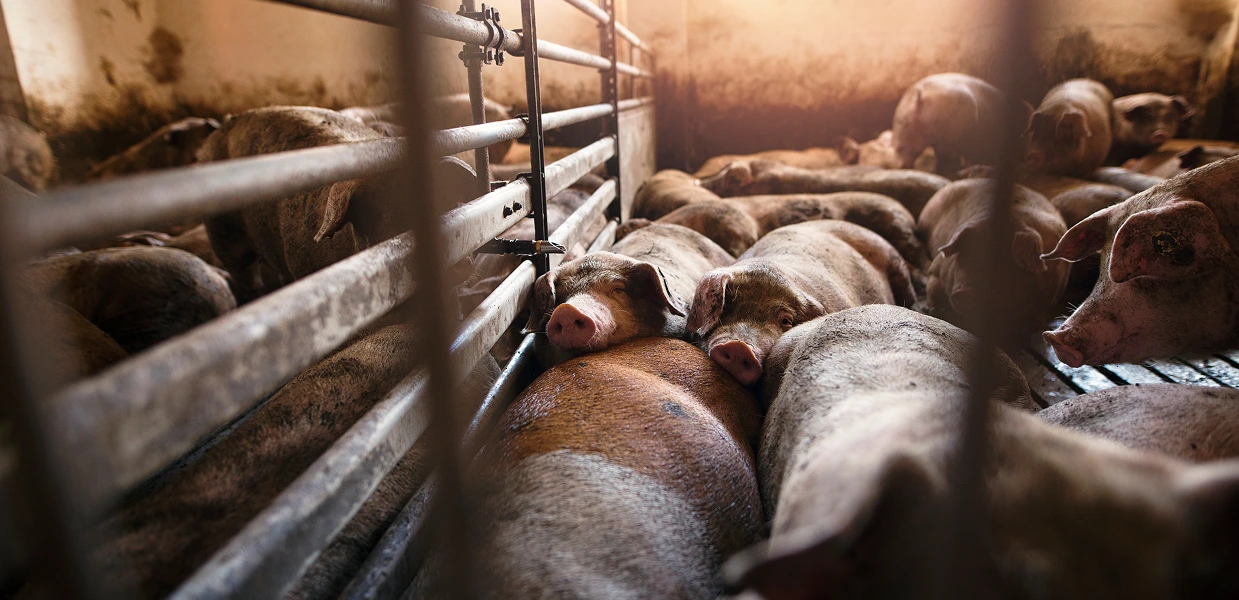
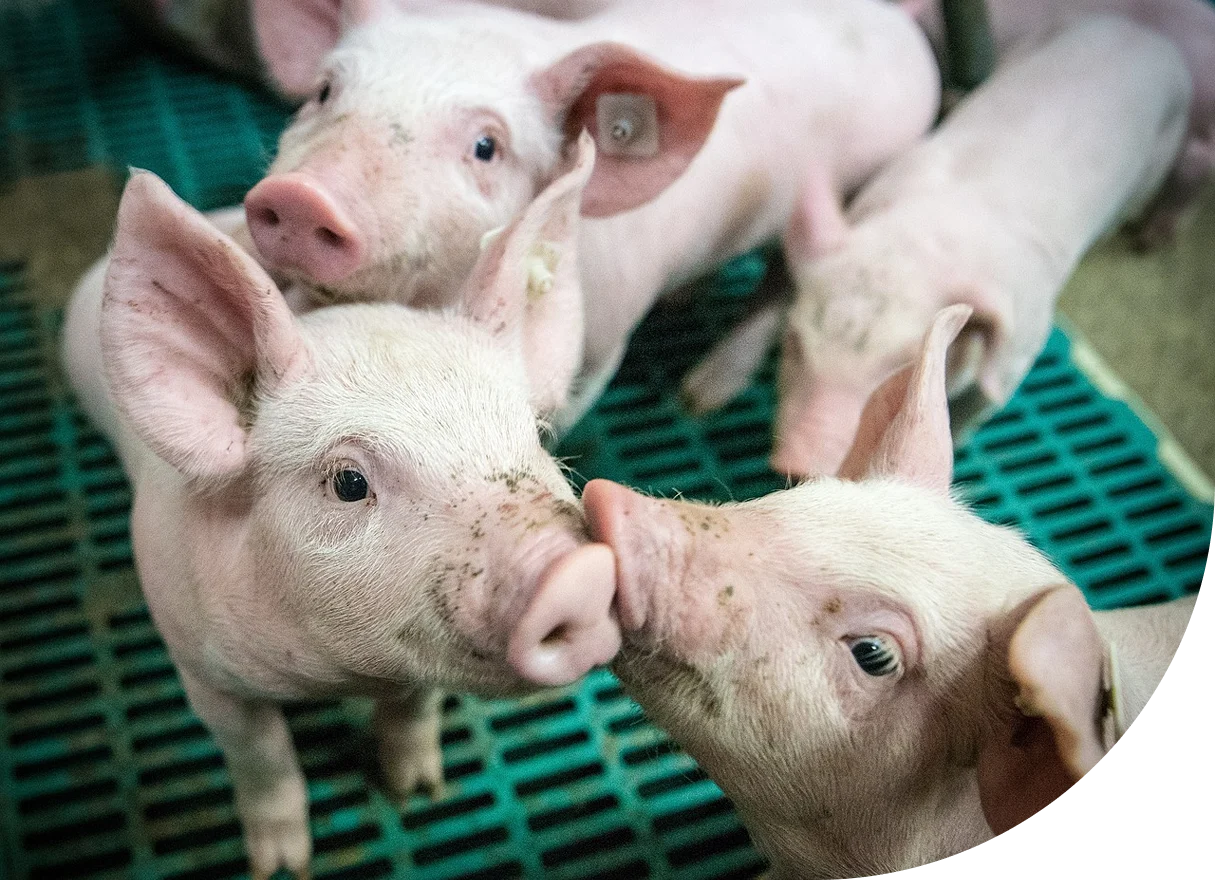
Mother pigs commonly spend most of their lives in metal crates so small the animals can barely move and often suffer painful pressure sores. Hens are packed so tightly into cages that they can barely stretch their wings. Many become tangled in cage wire. These intelligent and sensitive animals, who naturally explore, nest, and form social bonds, are condemned to lives of deprivation and stress.
Genetic Manipulation
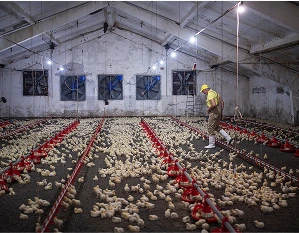
Chickens raised for meat are bred to grow so large and fast that their legs often fail and the birds collapse, their skin becoming raw from lying in their own waste. Cows bred for dairy are forced to produce an unnatural amount of milk, which strains their bodies, sometimes until they can no longer stand.
Mutilations
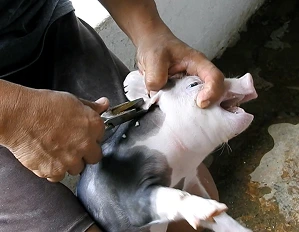
In crowded, stressful environments, animals often peck or bite one another out of frustration. To prevent injuries, the industry cuts off or grinds down parts of animals’ beaks, tails, and teeth—usually without pain relief. These horrific procedures leave many animals with chronic pain.
Extreme Cruelty
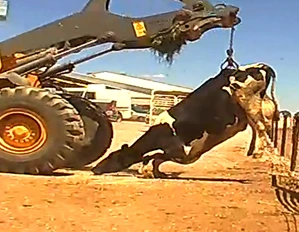
Undercover footage shows animals thrown, kicked, and beaten. Newborn piglets considered too small or weak are slammed headfirst against concrete floors to die. Such appalling treatment is common in an industry that sees animals as mere commodities.
Transport and Slaughter: The Harrowing End
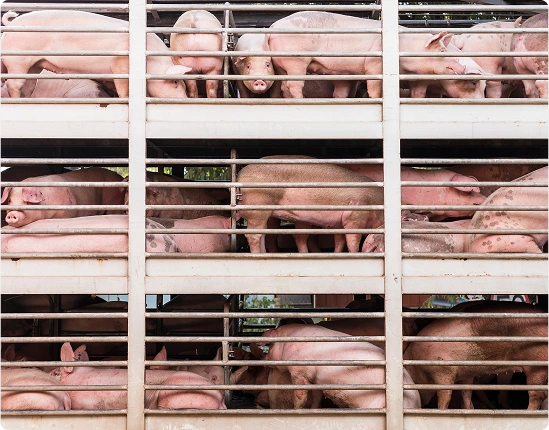
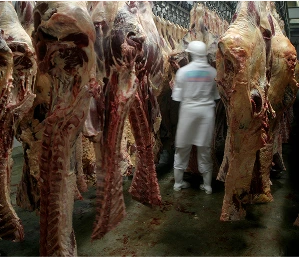
When the time comes to be sent to slaughter, animals are gathered and loaded onto trucks where they endure long journeys without food, water, or rest. Many arrive at the slaughterhouse weak, injured, or dead. Their final hours are often their most agonizing as they suffer rough handling, terrifying environments, and grisly deaths.
Despite laws meant to alleviate suffering, many animals are still conscious when slashed at the throat or plunged into scalding water.
The Human Cost: Workers, Farmers, and Communities
The meat, dairy, and egg industries don’t just harm animals—they take a heavy toll on people, especially farmers, farmworkers, and communities surrounding factory farms and slaughterhouses.
Emotional Trauma
Imagine killing hundreds of animals every day, knowing they are frightened and suffering. Many slaughterhouse workers report nightmares, depression, and emotional numbness. They’re haunted by the sights, sounds, and smells of the violence they must carry out to make a living.
Health Hazards
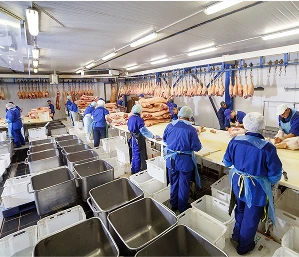
Workers in factory farms and slaughterhouses breathe in dust, dander, and harsh chemicals. The noxious air causes respiratory problems and headaches. They handle sharp knives in wet, slippery conditions, often rushing to keep up with line speeds. The risk of losing a finger or being otherwise injured by heavy machinery always looms.
Exploitation
Many workers are immigrants or refugees desperate for any job. They face grueling shifts for low pay and little protection, knowing that speaking up could mean losing their jobs or being deported.
Farmers Mired in Debt
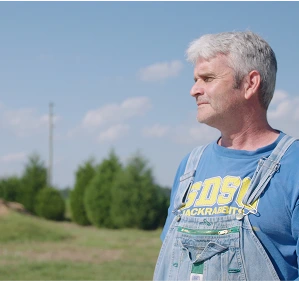
Farmers who raise animals under contract with big corporations often start with dreams of running their own businesses but soon find themselves trapped in a debt cycle. They must take out loans to build and upgrade facilities to meet company demands. If they fail to comply, they risk losing their contracts and everything they’ve invested in. Many work long hours for little profit, unable to escape the grip of powerful corporations.
Communities Victimized
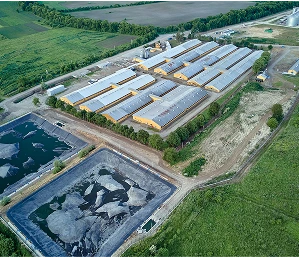
Families living near factory farms suffer too. The air reeks of ammonia and hydrogen sulfide from animal waste. Manure “lagoons” sometimes overflow, contaminating local rivers and wells with bacteria. Children often develop asthma and chronic coughs, while adults report headaches, nausea, and burning eyes. For these communities, factory farms are a nightmare that never ends.

Environmental Toll: Climate, Pollution, and Wasted Resources
Animal agriculture is a leading contributor to environmental destruction, driving climate change, water pollution, and resource depletion.
Climate Crisis
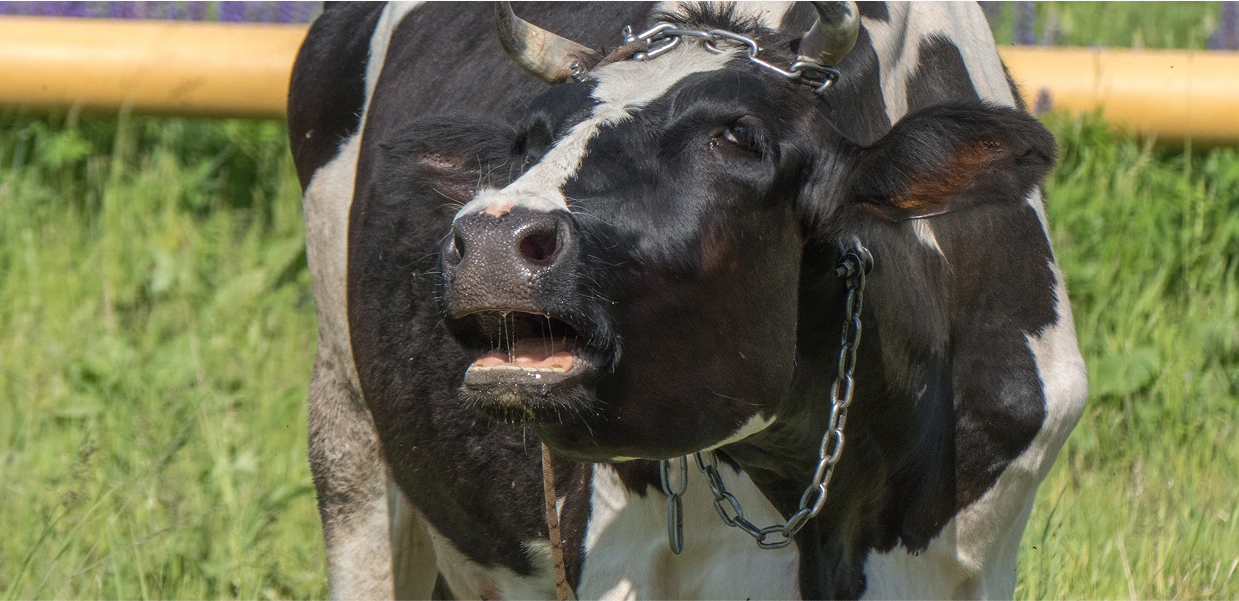
Raising animals for food accounts for about 15% of human-caused global greenhouse gas emissions, more than the direct emissions of all cars, trucks, planes, and ships combined. Cows produce massive amounts of methane, a potent greenhouse gas, while manure lagoons and fertilizers release nitrous oxide, another powerful contributor to climate change.
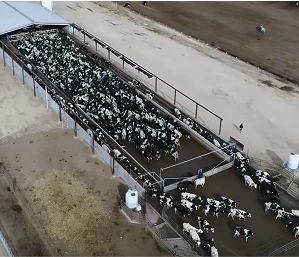
Water Pollution
Manure runoff and chemical fertilizers used in growing animal feed poison our rivers, lakes, and oceans, creating dead zones where fish and plants can’t survive. Entire ecosystems can be wiped out.
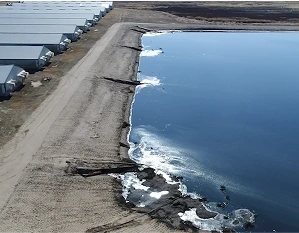
Wasted Resources
Raising animals for food is an inefficient use of land and water. Roughly 80% of global agricultural land is used to produce meat, dairy, and eggs, yet these provide only 37% of the world’s protein and 18% of its calories. The water footprint of animal meat per gram of protein is up to six times larger than that of beans and lentils.
Deforestation and Extinction
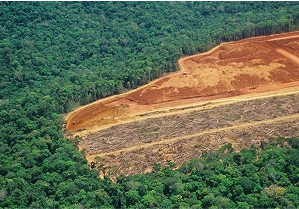
Rainforests are being slashed and burned to create more space for cattle and feed crops. This destroys the habitats of countless species, driving many to extinction.
Get info about volunteer opportunities, Mercy For Animals news, and more.
Thank you for signing up!